
Introduction
Let’s face it – losing tooth as a young adult is a big setback in itself!
Once you lose a tooth, that’s often becomes the highlight of your personality. You see it in pictures, you feel it while eating, and also search for ways to hide your smile in public.
A lost or broken tooth is often the catalyst for patients to start looking for replacement options. However, what most people don’t know is that the effects of tooth loss are often more than just aesthetic.
A missing tooth can impact the way food is chewed, the way certain words are pronounced and the comfort of the teeth working together in everyday activities. Some changes are immediate. Others develop slowly over time.
That’s one reason why dentists tend to stress function when discussing replacement options.
Dental implants are a popular solution because they are said to do more than just fill an empty space. They help restore support, stability and day-to-day usability, while also enhancing the smile’s appearance.
In this blog, we take a closer look at how dental implants become the change your smile needs via topics like:
- How missing teeth affect everyday function
- What happens during dental implant treatment
- Benefits of choosing dental implants
So continue reading as we learn more about implants and their role in replacing missing teeth in the following sections.
A Missing Tooth Can Affect More Than Your Smile
Most people expect that a missing tooth will change their smile. What can be surprising is how other areas of everyday living can be affected too.
Chewing is one such example!
When a tooth is missing, patients often begin to favor one side of the mouth. This change can occur without conscious effort. Over time it can change your eating habits so that some foods are less enjoyable.
Sometimes, speaking may also appear different. Not every missing tooth will affect speech, but certain teeth are involved in the production of certain sounds. Patients may also note subtle changes in their speech following tooth loss.
What Makes Implant A Necessity?
Every tooth has a role in the way the upper and lower teeth work with each other. Without it, the pressure distribution may change. Some patients adjust easily. Over time, some people experience discomfort or uneven wear.
That’s why dentists will frequently talk about restoring function, not just replacing a tooth.
How Dental Implants Restore Function
Step I – Evaluating the Missing Tooth Area
Every implant journey begins with patients looking at options for tooth replacement in Charlotte, NC. The dentist examines the area where the tooth is missing and evaluates the surrounding gums, neighboring teeth, and jawbone.
Imaging helps determine whether there is enough support for implant placement and whether any additional treatment may be beneficial beforehand. This evaluation helps develop a treatment plan focused on long-term function.
Step II – Creating Support Beneath the Gums
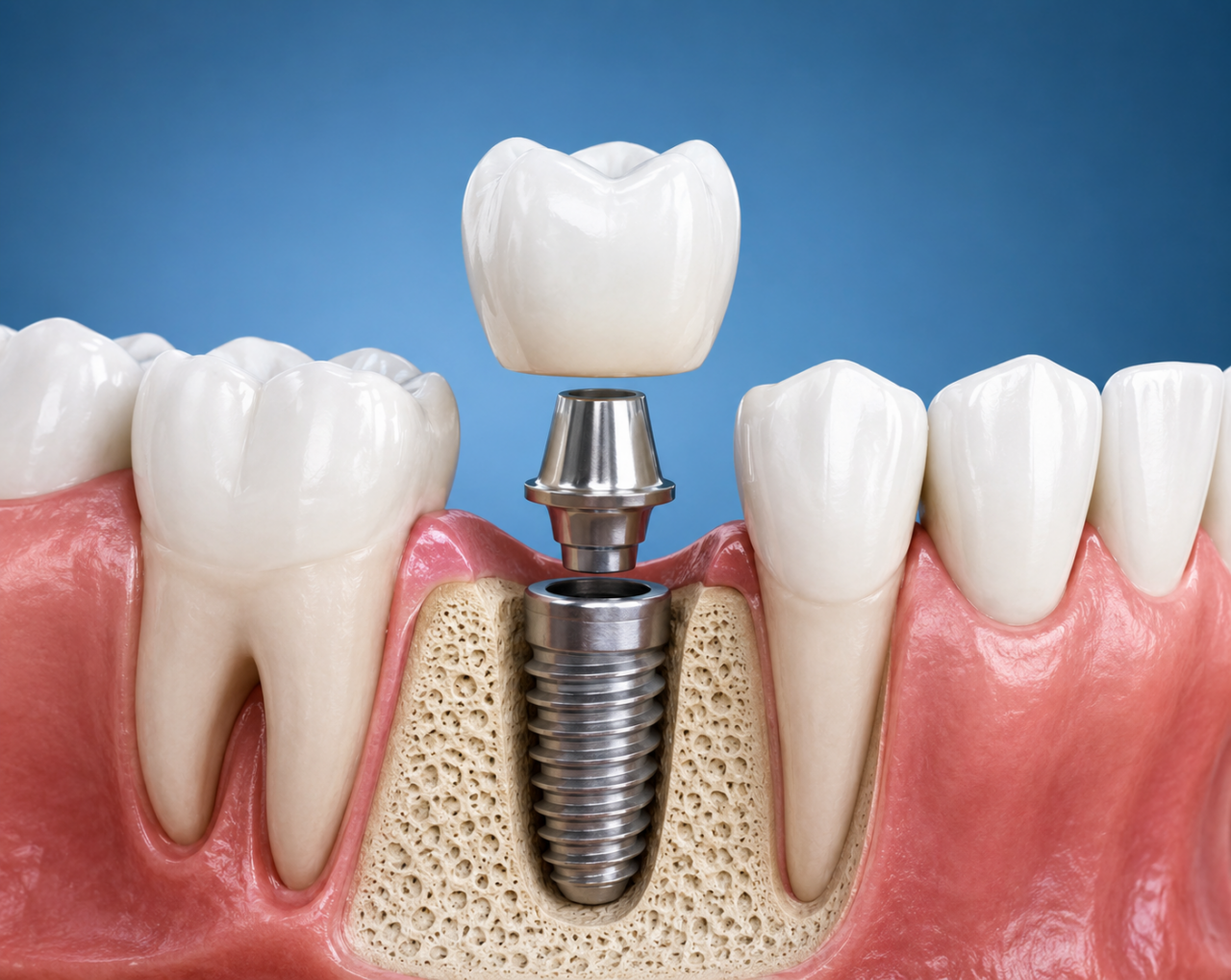
Once planning is complete, the implant is placed into the jawbone. The implant acts as an artificial tooth root, providing the foundation that will support the future restoration.
Although patients often focus on the crown that will eventually be visible, the support beneath the gums is what makes the restoration possible. This stage is all about stability.
Stage III – Healing and Stabilization
After placement, the implant requires time to heal. During this period, the jawbone gradually bonds with the implant.
This process creates the secure connection needed to support normal daily activities such as chewing and speaking. Healing takes time, but it plays a critical role in the long-term success of treatment.
Stage IV – Building the Replacement Tooth
Once healing is complete, a connector called an abutment is attached to the implant. A custom-made crown is then created and designed to fit naturally within the smile.
The crown is shaped to work comfortably with surrounding teeth while restoring the appearance of the missing tooth.
Stage V – Returning to Everyday Activities
The final goal of implant treatment is simple. Patients should be able to eat, smile, speak, and go about their daily lives without constantly thinking about the missing tooth.
For many people, that is exactly what makes implants appealing. The replacement becomes part of everyday life rather than something that requires constant attention.
At A Glance
| Who Qualifies? | Dental implants are ideal for replacing missing teeth and maintaining your oral function in the long run. |
| Process Overview | Step 1
Book a call with your nearest implant dentist in Charlotte, NC, for a thorough oral examination. Step 2 The treatment starts by placing a post in your jaw and leaving it to heal for sometime. Step 3 After healing, implant is placed to fix your smile and make it new again. |
| Timeline | Implant procedure is long and can take anywhere between a few weeks or months to complete, depending on healing. |
| Aftercare | Follow your dentist’s advice during the recovery period to speed up your recovery. |
| Location & Contact | Smile Charlotte
2711 Randolph Rd STE 205, Charlotte, NC 28207, United States |
Why Many Patients Choose Dental Implants
- Enhances chewing efficiency:
A lot of patients develop the habit of chewing on one side after losing a tooth. Dental implants in Charlotte, NC, restore balance and allow more comfortable chewing in the whole mouth. This can often allow patients to enjoy foods that they may have been avoiding.
- Provides a secure foundation for day-to-day life:
One reason implants are still popular is that they’re stable.They are fixed to the jawbone and provide support that many patients find reliable during meals, conversations and daily activities.
- Helps patients talk more easily:
Certain teeth are involved in speech patterns and pronunciations. Replacing a missing tooth can help some patients feel more comfortable speaking naturally and confidently in social and professional situations.
- Increases confidence without depending on adjacent teeth:
Dental implants work independently. Unlike some replacement options that rely on surrounding teeth for support, implants are self-supporting. That means healthy teeth that close are left alone.
- Daily Convenience Long Term:
Many patients like that the implants are part of their daily life. They do not have to be removed for cleaning or special storage. The basics of long-term care are still brushing and flossing your teeth regularly and having regular dental visits.
Dental Implant Care at Smile Charlotte
Beyond the procedure itself, patients coming to Smile Charlotte often ask questions.
- Are we going to eat normally again?
- How long does it take to adjust to the new tooth?
- What does recovery look like for them?
Having such confusion is common!
For many, the choice to have implant treatment is about improving quality of life, not simply replacing a tooth. In such conditions, knowing what options are available is an important first step whether a patient just lost a tooth or has been living with a gap for years.
The team takes time to understand each patient’s goals and concerns before recommending treatment. Every smile is unique, and experts at Smile Charlotte for implants ensure that every treatment plan should be a reflection of that fact.
FAQs
- How long do dental implants last in Charlotte, NC?
With good care and regular visits to the dentist dental implants can last for decades .
- What is the dental implant procedure like?
The process often involves a consultation, implant placement, healing and attachment of a custom restoration.
- How much do dental implants cost in Charlotte, NC?
The costs depend on how many implants you need and whether you need any other procedures before your treatment.
- Who is a good candidate for dental implants?
Many healthy adults with missing teeth and adequate jawbone support may be candidates for implant treatment.
- What is the recovery time for dental implants?
Most patients are back to normal activities within a few days but full healing and integration can take several months.
Conclusion
Missing a tooth? It’s more than just a cosmetic concern. It can affect how people eat, talk and think about their smile in everyday interactions.
That’s why replacing a missing tooth is often as much about restoring function as it is about restoring aesthetics.
Dental implants, however, provide a solution that does both. Implants provide the base and support for a custom restoration to help many patients return to activities that may have become less comfortable after tooth loss.
If you are looking at options for replacing a missing tooth, learning about dental implants is a good first step.
Ready to fix your smile? Connect with our experts and experience the best dental implants in Charlotte, NC, today!