
Introduction
People usually expect dental problems to be obvious, with sharp pain, severe discomfort, or something dramatic enough that there is no question about whether something is wrong.
The reality is often much less straightforward.
A tooth may feel sensitive to cold drinks for a few seconds longer than normal. Biting down might suddenly feel different on one side of the mouth. Sometimes discomfort appears for a day, disappears, and then returns a week later.
That inconsistency creates confusion.
Many people assume that if pain comes and goes, the problem is probably not serious. Others convince themselves to wait a little longer because life is busy and the discomfort does not feel constant.
The challenge is that teeth do not always follow predictable patterns.
- Some concerns build gradually over time rather than appearing all at once.
- Why root canal conversations often catch people off guard
Very few people schedule an appointment for a root canal in Charlotte, NC, expecting to hear that they may need one.
Most patients come in because something simply feels different.
“Why does this tooth hurt while chewing?”
“Why is cold lingering longer than usual?”
“Why did the pain disappear and then come back?”
Those questions are often where the conversation actually starts. Therefore, this blog takes a closer look at the different aspects of the root canal treatment via topics like:
- Undergoing Root Canal – The Problem at Hand
- Root Canal Treatment – How It Works
- Perks of Undergoing Root Canal Treatment
Continue reading as we learn more about the treatment in detail in the following sections.
Undergoing Root Canal – The Problem at Hand
People often associate root canal therapy with one thing: Pain.
While pain can absolutely become part of the picture, relying on discomfort alone can sometimes be misleading.
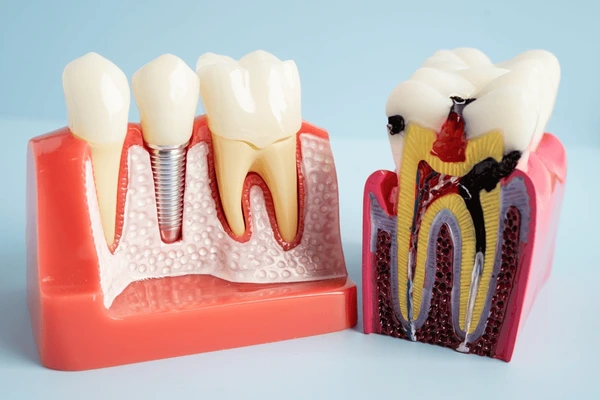
Inside every tooth is a softer inner area containing nerves and tissues. Problems can develop when that area becomes irritated or affected by bigger changes within the tooth.
The challenge is that these situations do not always happen suddenly.
- A cavity may gradually deepen over time.
- A crack can slowly expand after years of pressure.
- An older filling may change after years of daily use.
- Trauma to a tooth can sometimes cause problems that do not appear immediately.
Symptoms may also look different from one person to another. Here’s a common insight into what people generally complain about:
- Some people describe sharp discomfort while eating.
- Others notice prolonged sensitivity to hot or cold foods.
- Swelling near the gums sometimes becomes noticeable.
- A tooth may even appear darker than the surrounding teeth.
There is another reason people delay treatment. Symptoms often change, and pain appears for a few days. Then it disappears. That temporary improvement creates the impression that the problem has resolved itself.
But symptoms becoming quieter does not always mean the underlying cause has changed. So if you’re wondering: how to know if I need a root canal?
You need to start asking questions and understand the problem at hand.
Root Canal Treatment – How It Works
-
Start by understanding what symptoms changed:
Root canal discussions usually begin with understanding what feels different. Some patients notice sensitivity, while others describe pain when chewing or with pressure around a specific tooth.
-
Evaluate the tooth and surrounding structures:
Examinations often focus on the tooth itself, nearby teeth, and surrounding tissues because symptoms alone do not always tell the complete story.
-
Look for possible causes beneath the surface:
Cracks, deeper decay, trauma, and changes involving older restorations may become part of the discussion.
-
Determine whether the inner portion of the tooth may be involved:
Treatment recommendations are generally based on what appears to be affecting the tooth rather than symptoms alone.
-
Discuss treatment goals and available options:
Root canal therapy discussions often focus on preserving the natural tooth whenever appropriate.
Depending on the condition of the tooth, your dentist in Charlotte, NC, will suggest additional restorative treatment, and routine care recommendations may also be included in the plan.
At A Glance
| Who Qualifies? | Patients with acute tooth pain, swelling, or displaced teeth are ideal candidates for undergoing a root canal procedure. |
| Process Overview | Step 1
Head out to your nearest root canal dentist. Step 2 Update your dentist about the condition and pain that you’re feeling. Step 3 They will hollow out your root canal and take out the pulp, replacing it with a dental material that reduces sensitivity. |
| Timeline | Undergoing root canal treatment may involve multiple visits to your dentist. |
| Aftercare | Follow your dentist’s aftercare advice on oral habits. |
| Location & Contact | Smile Charlotte
2711 Randolph Rd STE 205, Charlotte, NC 28207, United States |
Perks of Undergoing Root Canal Treatment
Can help preserve the natural tooth:
One of the main reasons root canal therapy discussions arise is that maintaining the original tooth is often the preferred goal whenever possible.
Can support normal chewing function:
People often adjust their routines quickly when something hurts. They chew on one side or avoid harder foods. Many people also change their eating habits without realizing it. Those patterns can become normal surprisingly fast.
May help prevent additional complications:
Addressing concerns earlier can sometimes reduce the chance of more extensive problems developing later.
Supports confidence in everyday routines
Persistent discomfort has a way of constantly pulling attention toward one area. Many people describe relief in very simple terms: They stop thinking about the tooth all the time.
Helps support long-term oral health goals:
Discussions usually extend beyond today’s symptoms and toward maintaining comfort and function moving forward.
Root Canal Treatment – Local Insights
Charlotte continues growing with busy professionals, families, students, and residents balancing full schedules every day. Because of that, many people try to work around discomfort longer than they intended.
Questions often sound familiar:
“Why does the pain keep coming back?”
“Do I really need treatment if it stopped hurting?”
“Can the tooth still be saved?”
Smile Charlotte works with patients seeking answers based on their specific symptoms, rather than on assumptions or stories they have heard elsewhere. Those conversations usually begin with understanding what changed before discussing treatment recommendations.
FAQs
- Does severe pain automatically mean a root canal is necessary?
Not always. Tooth discomfort can happen for different reasons, which is why evaluations help determine the actual cause before discussing treatment recommendations.
- Can symptoms come and go if a tooth needs treatment?
Yes. Some patients notice discomfort that improves temporarily and then returns later, which can create confusion about what is happening.
- Does tooth sensitivity automatically mean a root canal is needed?
No. Sensitivity can happen for several reasons and does not automatically indicate one specific type of treatment.
- Can a cracked tooth eventually lead to root canal discussions?
Depending on the location and severity, more extensive tooth damage may affect the tooth’s internal structures and influence treatment recommendations.
- Can swelling around a tooth become important even without severe pain?
Yes. Swelling sometimes signals concerns that may benefit from evaluation, even if discomfort appears mild.
- Is preserving the natural tooth usually a treatment goal?
Many dental discussions focus on maintaining natural tooth structure whenever appropriate and possible.
Conclusion
Root canal discussions often begin much earlier than people expect. What starts as occasional sensitivity, discomfort while chewing, or pain that seems to come and go can sometimes indicate more significant changes within the tooth. The difficult part is that symptoms do not always follow a predictable pattern, which can lead to the assumption that things will improve on their own.
Paying attention to changes that feel unusual and understanding what may be causing them can help protect both comfort and long-term oral health. Many treatment conversations ultimately focus on one goal: preserving the natural tooth whenever possible.
If you have noticed tooth pain, sensitivity, swelling, or any changes that do not feel normal, schedule a consultation with Smile Charlotte today to learn more about treatment options tailored to your needs.