
Summary:
Ever cracked a tooth on popcorn? Or maybe you’ve been dealing with a tooth that’s been patched so many times it’s basically more filling than actual tooth? That’s usually when your dentist mentions crowns.
Dental crowns in Charlotte, NC, are one of those treatments that sound more intimidating than they are. A crown is a customized dental cap that fits over your damaged tooth, restoring its strength, shape, and appearance. Think of it as a helmet for your tooth; protection and restoration rolled into one.
Whether you’re dealing with a cracked tooth, severe decay, or just want to strengthen a tooth after a root canal, crowns offer a durable solution. They look natural, function like your real teeth, and can last decades with proper care.
In this article, we’ll cover:
- What dental crowns are and when you need them
- Different types of crowns available
- The crown procedure step by step
- How to care for your crown long-term
Let’s break down everything you need to know about getting a crown from a dentist in Charlotte, NC.
What Are Dental Crowns?
A dental crown is a tooth-shaped cover that goes over your existing tooth. It encases the entire visible portion above the gum line, providing strength and improving appearance.
Crowns serve multiple purposes. They protect weak teeth from breaking. They hold together cracked teeth. They restore broken or severely worn teeth. They cover badly misshapen or discolored teeth. They complete dental implants by serving as the replacement tooth.
The crown becomes your new outer surface. You chew with it, brush it, and treat it like a natural tooth. Made from durable materials, a well-maintained crown can easily last 15-20 years or longer.
Unlike veneers that only cover the front, crowns encase the entire tooth. This makes them stronger and better suited for teeth, handling heavy chewing.
When Do You Need a Crown?
Large Cavities or Fillings
When decay destroys too much tooth structure, a filling won’t work. There’s not enough healthy tooth left to support it. A crown covers and protects what remains.
If you already have a large filling that covers most of your tooth, that tooth is vulnerable. A crown reinforces it before problems develop.
Cracked or Broken Teeth
Accidents happen. When a tooth cracks or breaks, a crown holds everything together and prevents worsening damage.
After Root Canal Therapy
Root canals remove the pulp from your tooth. This saves it but makes it more brittle. Crowns protect root canal-treated teeth from fracturing, especially molars.
Severe Tooth Wear
Teeth grinding, acid erosion, or decades of use can significantly wear down teeth. Crowns restore proper height and function.
Cosmetic Improvements
Sometimes teeth are structurally sound but look terrible—severely discolored, oddly shaped, or visibly damaged. Crowns dramatically improve appearance while providing protection.
Types of Dental Crowns
Porcelain Crowns
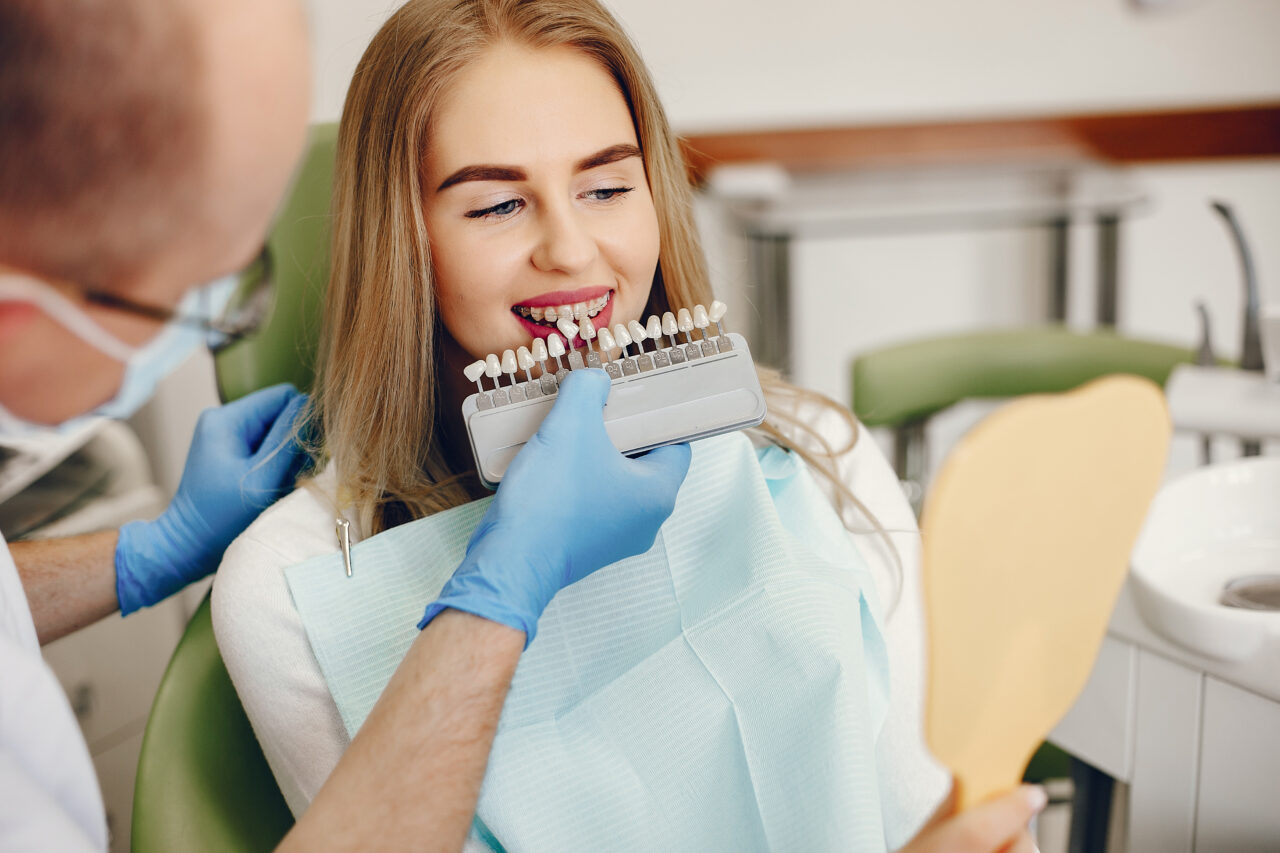
All-porcelain or all-ceramic crowns look the most natural. They can be color-matched precisely to your teeth. The translucency mimics real enamel beautifully. These work great for front teeth, where appearance matters most.
The downside? They’re not quite as strong as some options. While modern ceramics are tough, they’re still the more fragile choice for heavy chewing.
Porcelain-Fused-to-Metal (PFM)
These have a metal base for strength with a porcelain coating for aesthetics. They’re stronger than all-porcelain but don’t look quite as natural. Sometimes the metal shows as a dark line near the gum.
PFM crowns work well for back teeth, where you need durability but still want a tooth-colored restoration.
Gold Crowns
Gold and gold alloy crowns are incredibly durable and gentle on opposing teeth. They require less tooth removal than porcelain crowns. Dentists love them because they last forever.
The obvious drawback is appearance. They’re gold. Very visible. Most people only choose gold for back molars.
Zirconia Crowns
Zirconia is a newer ceramic material that’s extremely strong—almost as durable as metal but tooth-colored. These offer an excellent balance of strength and aesthetics. They’re becoming increasingly popular for both front and back teeth.
Your dentist in Charlotte, NC, will recommend the best material based on which tooth needs the crown, your bite, and aesthetic concerns.
The Crown Procedure: What to Expect
Getting a crown typically takes two visits, though same-day crowns are becoming more common.
First Visit: Preparation and Impressions
Your dentist numbs the tooth and the surrounding area. Once comfortable, they reshape the tooth by removing the outer structure. This creates space for the crown to fit properly.
After shaping, your dentist takes impressions or digital scans of the prepared tooth. These ensure your crown fits perfectly.
You’ll get a temporary crown to protect the tooth while your permanent crown is being made. Temporary crowns aren’t as strong, so be gentle with them.
Between Visits
A dental lab uses your impressions to create your custom crown. This usually takes 2-3 weeks. Lab technicians carefully match the color and shape to your natural teeth.
Second Visit: Crown Placement
The dentist removes your temporary crown and checks the fit of your permanent one. They’ll make sure the color matches, the fit is snug, and your bite feels right.
Once everything looks good, they cement the crown in place. After the cement sets, they polish everything and make final adjustments.
Same-Day Crowns
Some dental offices have CAD/CAM technology that designs and mills crowns right there. You get your permanent crown the same day: no temporary, no second visit.
How Long Do Crowns Last?
With good care, crowns typically last 15-20 years. Many last even longer.
- Material matters: Gold crowns often outlast everything. Zirconia is extremely durable. Porcelain can chip more easily, but it still lasts longer with care.
- Location matters too: Front teeth experience less force than molars, so those crowns often last longer.
- Your habits make the biggest difference: People who grind teeth, chew ice, or skip dental checkups will likely need replacement sooner than those with good oral hygiene and regular care.
Patients Also Ask
-
Does getting a crown hurt?
The procedure doesn’t hurt; you’re numbed throughout. Afterward, you might have some sensitivity for a few days, but it’s usually mild.
-
Can I eat normally with a crown?
Yes, once your permanent crown is placed and the cement has set, you can eat normally. Just avoid extremely hard foods.
-
What if my crown falls off?
Call your dentist right away. Sometimes crowns can be re-cemented. Keep the crown safe and avoid chewing on that side.
Conclusion
Dental crowns in Charlotte, NC, offer a reliable solution for weakened, damaged, or unattractive teeth. Whether you need to restore function after a root canal, repair a cracked tooth, or improve your smile’s appearance, crowns provide durability and natural-looking results.
If your dentist has recommended a crown or you’re dealing with a damaged tooth, don’t put it off. The sooner you protect that tooth, the better. Schedule a consultation to discuss your options.
Takeaway:
- Dental crowns protect and restore damaged teeth while improving appearance.
- Different materials offer varying benefits in terms of strength and aesthetics.
- The procedure typically requires two visits, but same-day options exist.
- With proper care, crowns last 15-20 years or longer.
- Regular dental hygiene and checkups in Smile Charlotte keep crowns functioning well.